
Driving at night can be a thrilling experience, with starry skies and open roads stretching out before you. But let's face it, night time driving also comes with its own set of challenges. Reduced visibility, fatigue, and unexpected hazards can turn your joyride into a nerve-wracking journey.
But fear not! After this blog you’ll be armed with some valuable tips for safely navigating those twilight hours. From defensive driving techniques to staying alert behind the wheel, you’re covered. So buckle up and get ready for a ride through our expert advice on how to conquer the night drive like a pro!
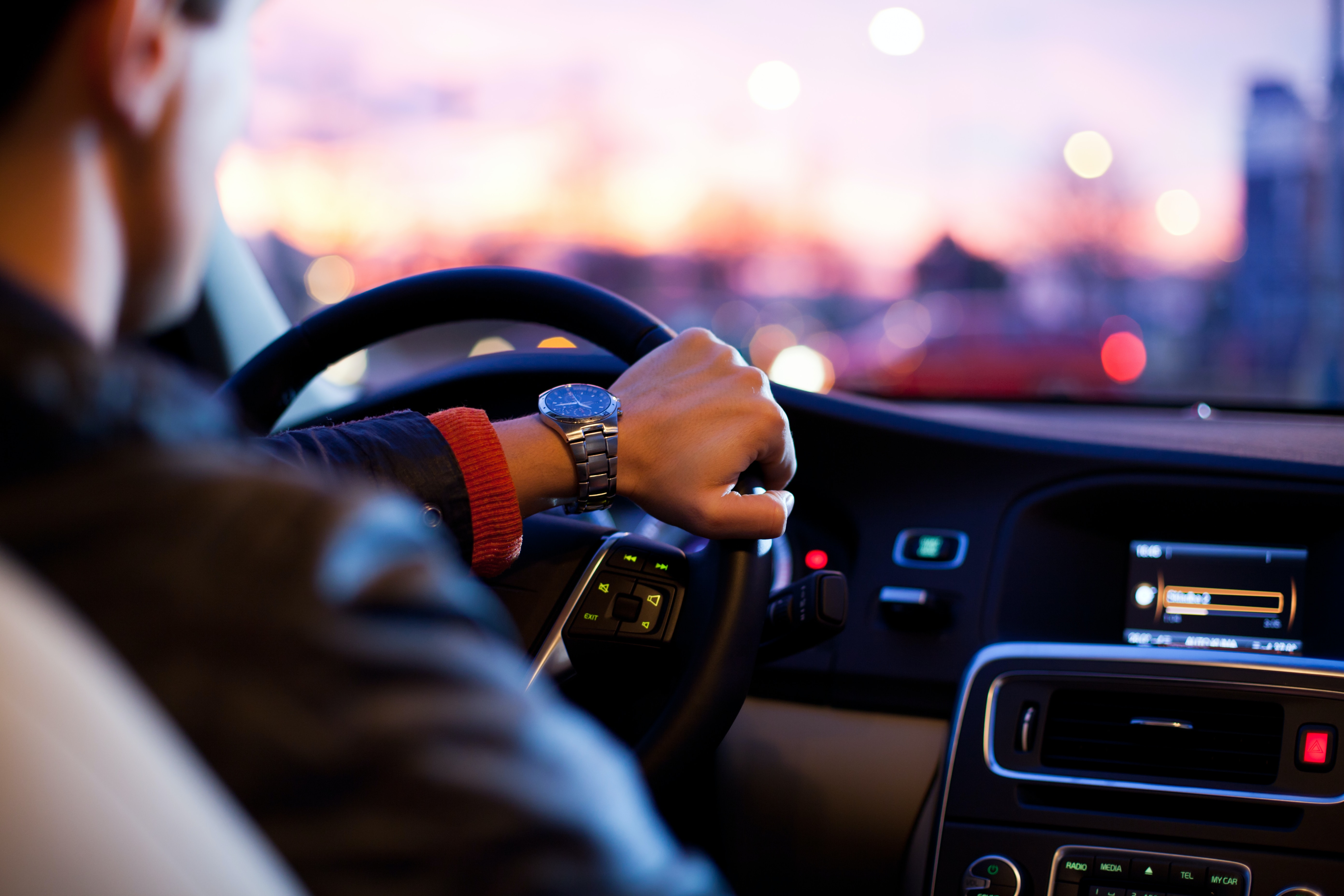
Drive defensively
When it comes to driving at night, one of the most important things you can do is adopt a defensive driving mindset. This means being constantly aware of your surroundings and anticipating potential hazards before they happen.
First and foremost, maintain a safe following distance from the vehicle in front of you. In low-light conditions, it may be more difficult to judge distances accurately, so giving yourself some extra space can help prevent rear-end collisions.
Avoid distractions while driving at night. Put away your phone, turn down the volume on the radio, and focus solely on the road ahead. Any lapse in concentration could have serious consequences.
Furthermore, use your mirrors frequently to stay aware of other drivers around you. Be prepared for sudden lane changes or unexpected manoeuvres from nearby vehicles.
Always obey traffic laws and speed limits. Just because there may be fewer cars on the road at night does not mean that normal rules don't apply anymore. Adhering to these regulations will not only keep you safe but also set an example for others who share the road with you.
So remember: when driving at night, defensive driving is key! Stay alert, anticipate potential dangers, and prioritise safety above all else.
Use your headlights
Using your headlights is crucial when driving at night. They not only help you see the road ahead but also make sure that other drivers can see you. Here are some tips for using your headlights effectively:
1. Turn on your headlights as soon as it starts getting dark, even if it's not fully night time yet. This will ensure that you have good visibility and that other drivers can easily spot you.
2. Make sure to keep your headlights clean and properly aligned. Dirty or misaligned headlights can reduce their effectiveness and may even blind oncoming drivers.
3. Use high beams judiciously, especially in areas with less traffic or on poorly lit roads. However, be mindful of switching to low beams when there are approaching vehicles to avoid blinding them.
4. Consider upgrading your headlights to brighter or more advanced options like LED lights, which provide better illumination and visibility.
Remember, using your headlights properly is an essential part of driving safely at night, so always be vigilant about their condition and use them appropriately according to the road conditions and surrounding traffic.
Don't drive under the influence
Driving under the influence of alcohol or drugs is not only illegal but extremely dangerous. When you consume substances that impair your judgement and reaction time, you significantly increase the risk of causing a serious accident on the road.
First and foremost, it is essential to understand that driving while intoxicated puts not only yourself at risk but also the lives of innocent pedestrians and other drivers sharing the road with you. Making responsible choices means ensuring your own safety as well as that of others.
Substances like alcohol and drugs can drastically affect your ability to concentrate, react quickly, and make rational decisions behind the wheel. Your coordination and motor skills may be impaired, making it difficult to maintain control over your vehicle.
It's crucial to remember that impairment can occur even with relatively small amounts of alcohol or certain prescription medications. It's always better to err on the side of caution when it comes to consuming substances before getting behind the wheel.
If you plan on drinking alcohol or taking medication that might cause drowsiness or impairment, it's best to designate a sober driver or arrange alternative transportation options such as a taxi service or rideshare app. Remember, there are always safer alternatives than risking yours and others' lives by driving under the influence.
Stay responsible; don't put yourself in unnecessary danger by driving while impaired. Take care of yourself and those around you by making smart choices when it comes to getting behind the wheel after consuming substances. Always prioritise safety above all else!
Take breaks
Taking breaks while driving at night is crucial for both your safety and the safety of others on the road. Long hours behind the wheel can lead to fatigue, which can impair your reflexes and decision-making abilities. To avoid this, it's important to take regular breaks during your night time journeys.
When planning a long drive at night, make sure to factor in rest stops along the way. Aim to stop every two hours or so, even if you don't feel tired yet. Stepping out of the car for a few minutes and stretching your legs can do wonders for alertness.
During these breaks, try to engage in activities that will help refresh your mind and body. Take a short walk around the rest area or do some quick exercises like jumping jacks or stretches. This will get your blood flowing and increase oxygen levels in your body, helping you stay focused on the road ahead.
It's also essential to use break times as an opportunity to rehydrate and refuel with healthy snacks. Avoid heavy meals that may induce drowsiness, opting instead for light options like fruits or granola bars.
Furthermore, taking breaks allows you time to assess how you are feeling physically and mentally. If you notice signs of fatigue such as yawning excessively or struggling to keep your eyes open, it's vital that you find somewhere safe to pull over immediately.
Remember: driving while fatigued is extremely dangerous - not only for yourself but also for other road users who may be affected by any errors caused by lack of attention or slow reaction times.
Watch out for pedestrians and animals
Watch out for pedestrians and animals! Driving at night can pose additional challenges when it comes to spotting pedestrians and animals on the road. It's important to be extra vigilant in these situations to ensure everyone's safety.
One of the best ways to watch out for pedestrians is by keeping your headlights on high beam, if there are no other vehicles around. This will provide you with better visibility, making it easier to spot anyone crossing the road or walking along the roadside.
Animals can also be a hazard while driving at night, especially in areas with dense forests or rural landscapes. They may suddenly dart across the road without warning, so always be prepared for such situations. Keep an eye out for any glowing eyes reflecting back at you from the darkness – it could be an animal waiting to cross!
Another way to watch out for pedestrians and animals is by reducing your speed. Slowing down allows you more time to react if someone or something unexpectedly enters your path.
Stay focused behind the wheel! Avoid distractions like using your phone or adjusting music while driving at night. Your full attention should be on the road and potential hazards that might arise.
Remember, being aware of others sharing the road with you is crucial when driving at night. By staying alert and cautious, you can help prevent accidents involving pedestrians and animals. Stay safe!
Conclusion
Driving at night can be challenging, but by following these tips and staying alert, you can ensure that you reach your destination safely. Remember to drive defensively, use your headlights properly, avoid driving under the influence of alcohol or drugs, take breaks when needed, and always keep an eye out for pedestrians and animals on the road.
By adopting a cautious approach and being aware of potential hazards, you can minimise the risks associated with night time driving. So next time you find yourself behind the wheel after dark, remember these tips to make your journey safer for both yourself and others on the road.
Stay safe out there!